Since we’re transferring in the Emirates, Sindbad said, let’s spend a few days there. We might as well have a short experience of that side of the world.
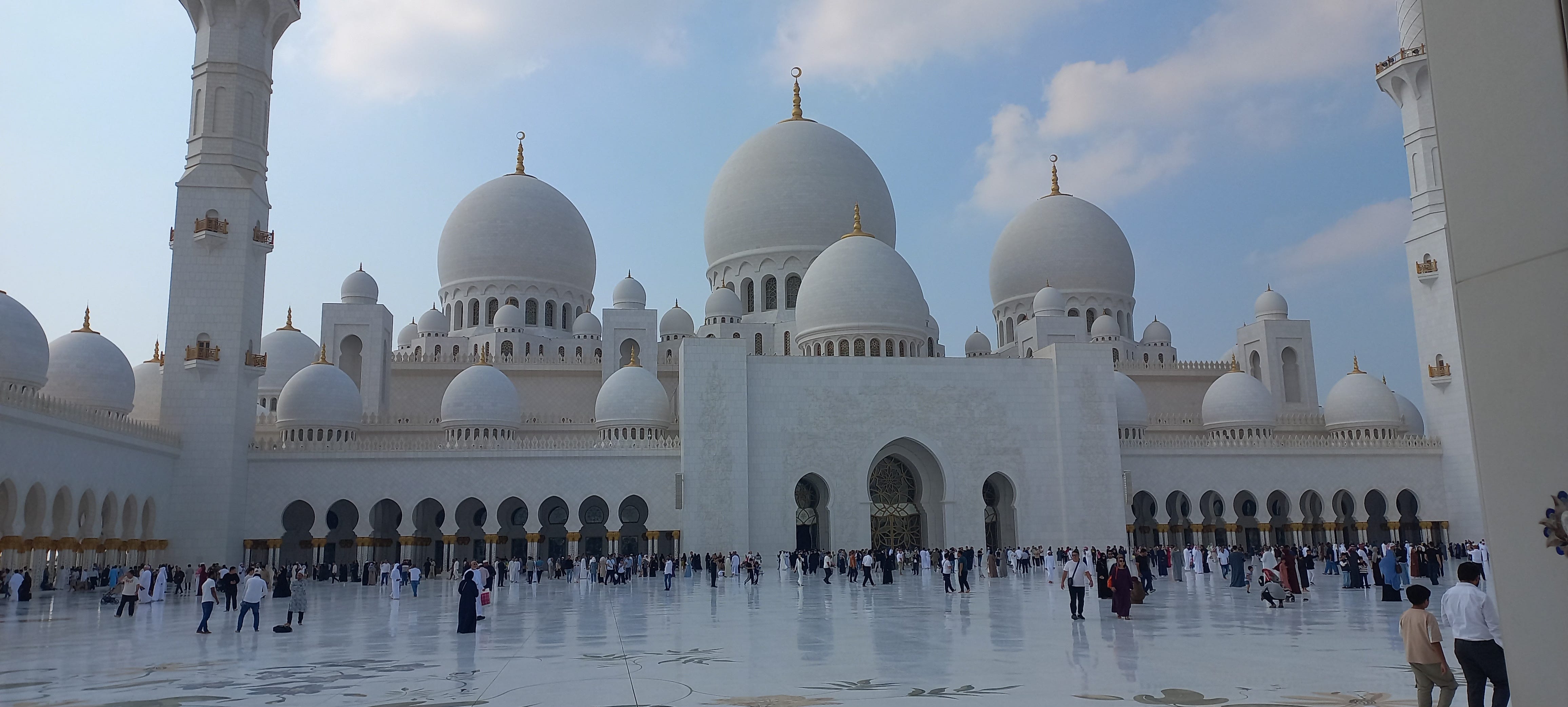
The Emirates occupies a special place among the fiefdoms of our human cultivation planet. Its population, less than a hundred thousand in 1963, is over eleven million today. An increase of 1100% in a good half a century. The traveler scratched his head. An influx of people into a desert where temperatures reach 50 C and there’s nothing except sand and oil. Oh, and the sand is too coarse, what you find on the beach is imported from Australia. What will happen when the food shipments stop, the desalination plants and air conditioning cease working? And the question is certainly not if but when.
The other Gulf states, although each has unique features, will soon be in a similar position. Their ruling families, masters of life and death, consider their countries, mineral wealth and accumulated funds to be their personal property. Actually, something like that also happens to much poorer countries closer to home, Sindbad remembered.
As for Gulf states, the part of the original population that’s willing to bend a knee is basically kept in a golden cage. And riches open up possibilities.
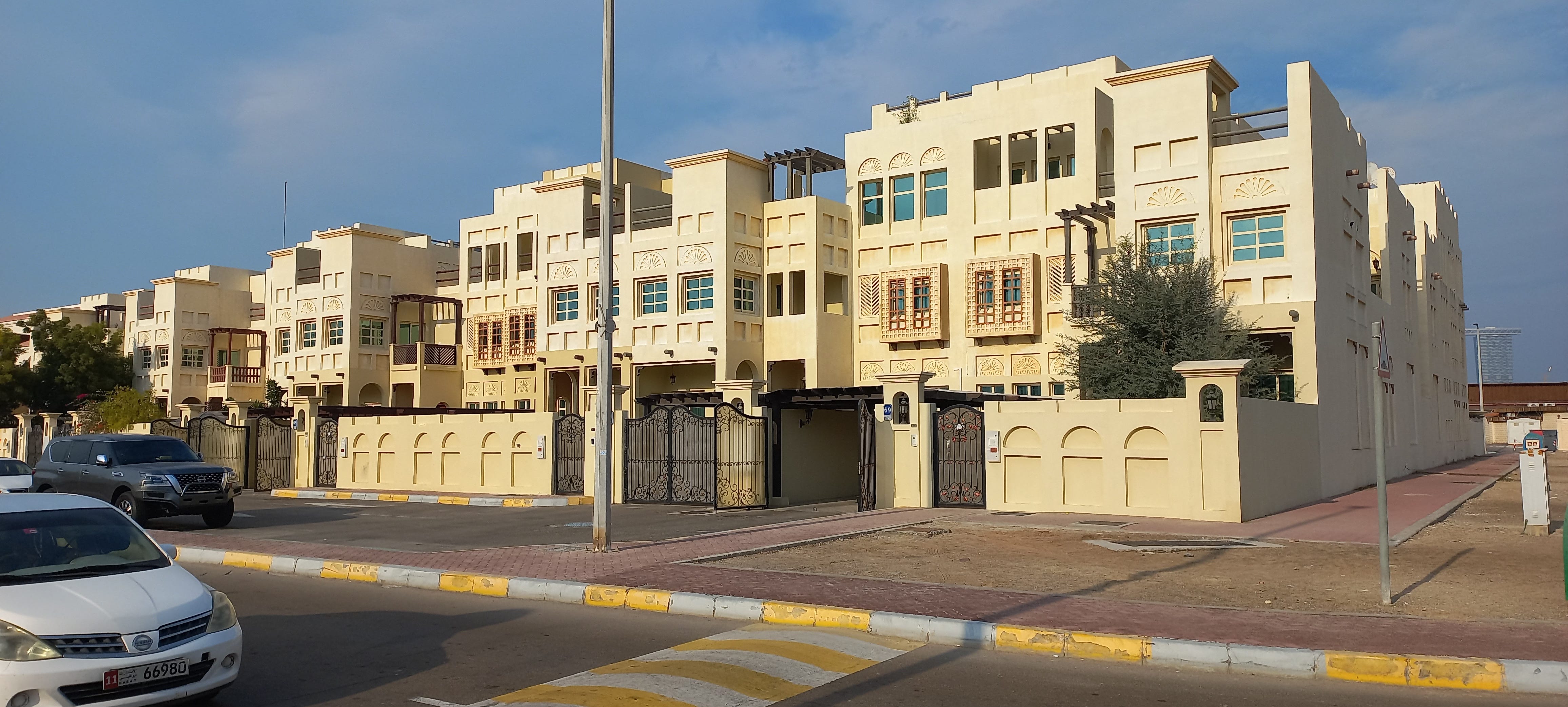
Huts of the local poor. Wealthier citizens lead their miserable lives in desert haciendas.
Their passports surpass European ones, Sindbad continued. And it’s well known that oligarchs of certain countries sell citizenship.
Why am I always talking about home? — he wondered. Well, here’s a home example of the fleeting value of money. There was a time between the two world wars when my grandfather’s family was fairly well off. They succeeded in saving up for a car. Those puffing beasts at that time were rare. In a village children ran to the streets whenever one appeared. The family fled from the approaching Soviet army during the war. When returning to Hungary in 1945, the price of the car bought exactly one bunch of grapes. My aunt, a small girl at the time, had a real craving for it. So they bought it, as by the evening that money might not have been worth anything.
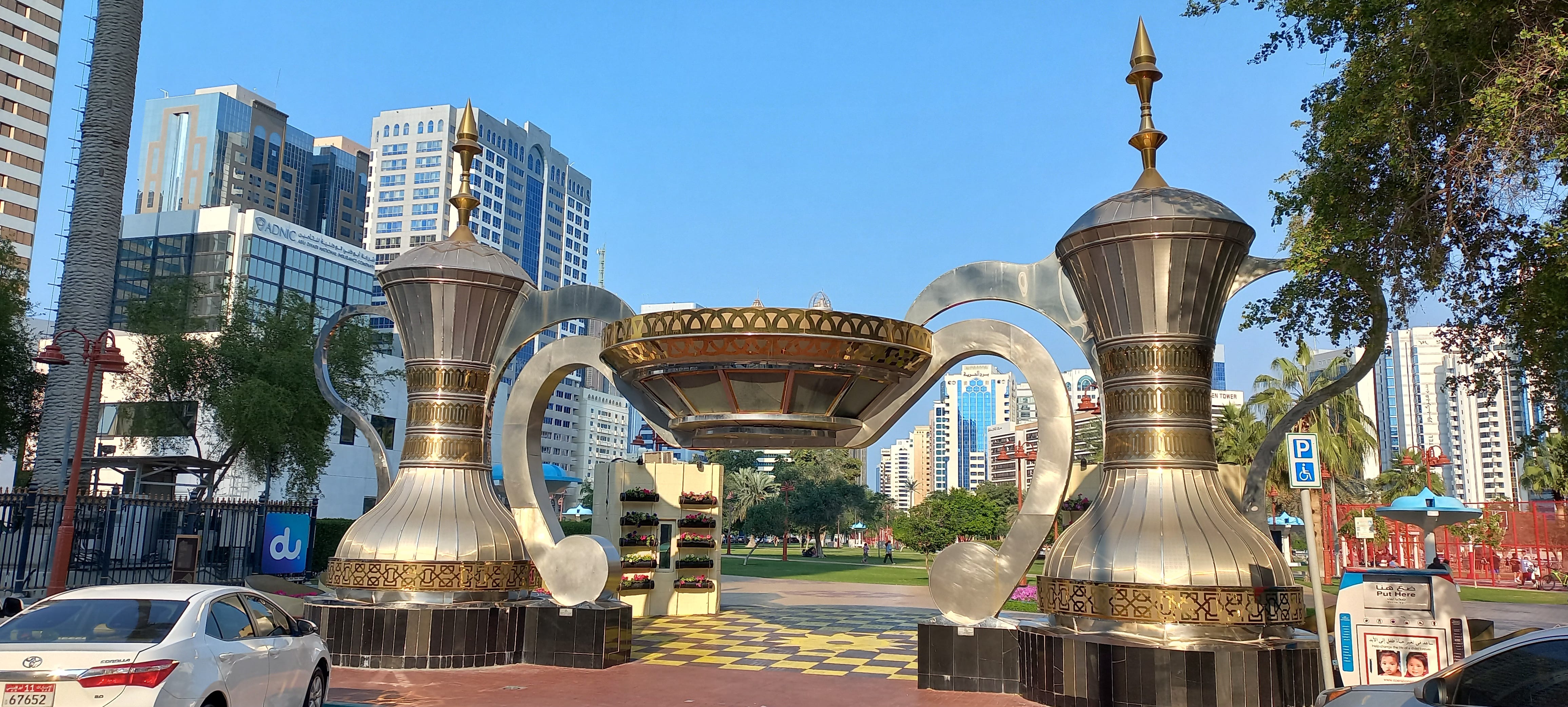
Coming back to the country of virtual skyscrapers, one has to admit that they provide shelter to inhabitants of many places devastated by colonialism. As far as I understand, emigrants come in three main categories, Sindbad said. Slaves, Professionals and Soldiers of Fortune.
The hub of the last group is mostly Dubai. We haven’t encountered them in the smaller, calmer capital, said the traveler with a sigh. (He liked adventure stories.) The slaves, on the other hand, are everywhere. They are the food delivery people, the janitors, the gardeners who water the plants trimmed to rectangular shapes. They are the ones without whose work luxury life would grind to a halt in five minutes. The ones who fall from great heights because they faint from the heat when constructing air-conditioned skyscrapers.
The travelers’ most remarkable encounter with slaves took place in the money change office. There was a long line in front of the entrance on the street, made up of simple Indians and Bangladeshians. Are you here to change? — the travelers inquired. Salary, salary, they replied in lead-accented English, gesturing with a smile: go ahead.
The change procedure took long, giving ample time for our heroes to observe events at the other till. The first worker received 800 dirhams, about 200 dollars. A simple mid-month weekend, they must be getting paid weekly, our heroes concluded with satisfaction. The next worker pocketed 1100 dirhams, about 300 dollars. At least they get a relatively reasonable sum, the travelers thought. Who knows how many people depend on that monthly amount wired home.
Upon hearing this story, the travelers local friend (a Professional) shook his head. That was a whole month’s salary! And the Emirates in this sense is at least fair: they can quit and go home any time. In some other Gulf states, once you sign a contract, your passport is taken away and you’re at the whim of your patron.
Once your state of horror wears off, Sindbad thought, it might be worth considering if all of us could be in a similar situation. At least those who became soldiers of some multinational enterprise or the throng of companies serving them. The specific amount received doesn’t actually matter that much. For the few thousand zillionaires who control the world it makes no difference whether they pay a pawn two hundred bucks a month or six thousand. In exchange for their youth, intellect, muscle power — for the most part of their lives.