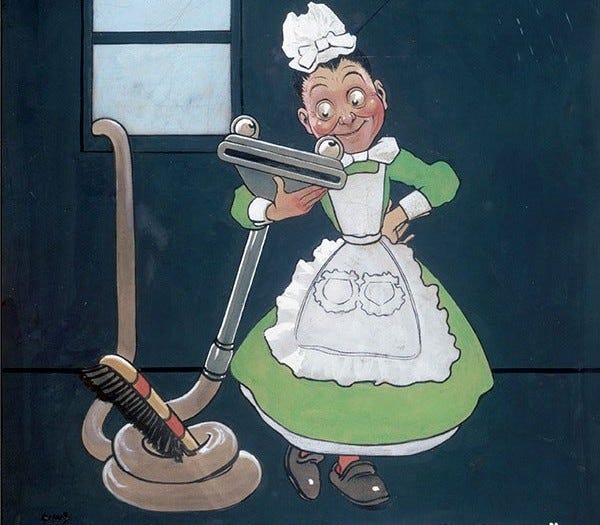
When I was looking for work in Toronto I found an ad for a creative job. The company explained that I would first have to get to know the product—in other words, become a door-to-door salesman. They offered a guaranteed salary, with conditions that seemed acceptable but turned out to be impossible to meet. It was all a carefully designed scam, including recruitment, presentation of the product, possibly even the nonplusultra vacuum cleaner itself, although I can’t know the last part for sure. The machine was certainly efficient in finding dirt. We had to ring the doorbells of innocent people with a gift package of paper towels, asking for ten minutes of their time to show the miracle machine. Then we spent an hour and a half in their home, pulling dust out of every nook and cranny. Instead of dust bags, we had to use square pieces of fabric, which made the dirt very visible.
Source: sciencemuseum.org.uk
At the end you could hardly walk in the room from the black rags spread all over the floor. We pulled dust out of everything from seemingly clean carpets to the baby’s bed, saying scary things about the harmful effects of dirt on health. The machine cost three thousand eighties’ dollars, when you could probably buy a vacuum for a hundred. This unique sales model was probably successful as it generated shameless profits, at least for the owner. We were disposable parts, constantly being replaced by new job candidates. In the almost one week I spent trying to hang on, a total of one vacuum was sold from our minibus by a Chinese guy.
All that dirt conjured up from seemingly clean places made me think. When is something actually clean? And how far can you go in the pursuit of cleanliness? Everyone has a distant relative or acquaintance who covers their carpet with another, cheaper protective carpet, which then is covered by a protective transparent plastic mat. Artificial flowers stand in a neat row on the dresser, the smell of disinfectant hangs in the air, and sunlight breaks a leg on the parquet floor.
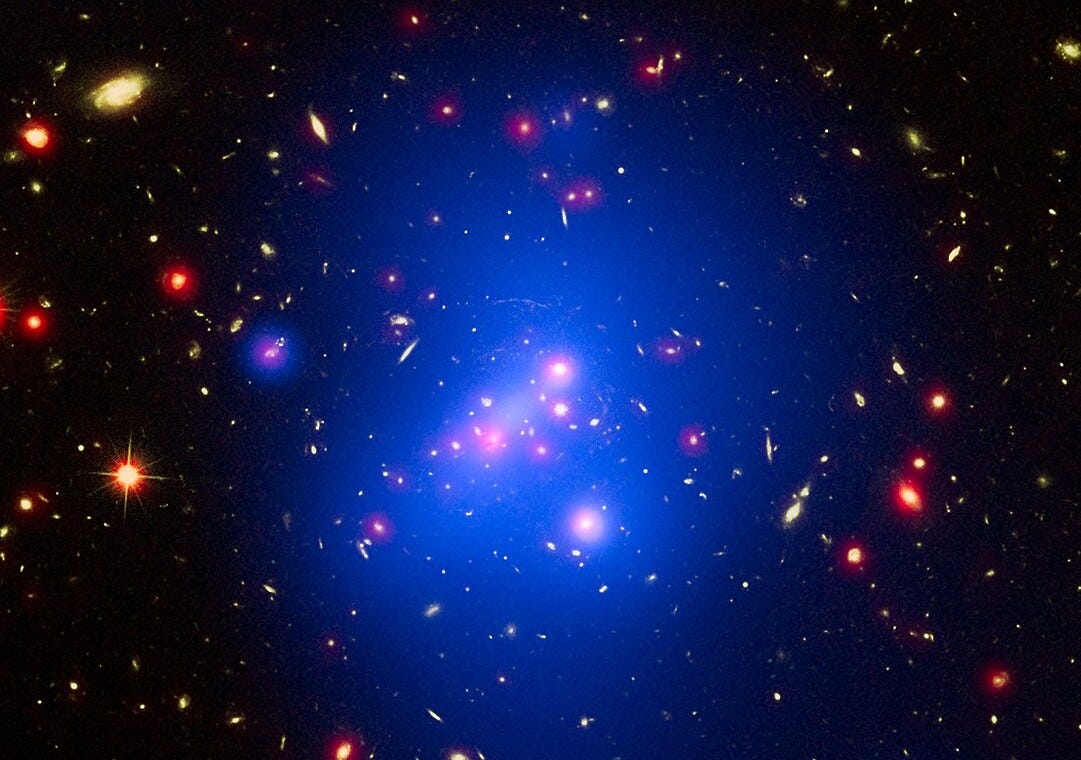
In modern society, we consider ourselves rational creatures, disregarding the mystical side of our nature. Shared superstitions are so much a part of our reality that they never get noticed. A conscientious cleaning lady will put plenty of detergent in the mopping bucket, since that’s what’ll make the floor clean. (The colorful foam in the creek is not her concern.) But what will remain of those chemicals on the floor where children will crawl around? Even more bizarre is modern dishwashing. We think that dishes containing our food will be made healthy by coating them with poison! “Come on, dishwashing liquid is only harmful for germs”, people say with a shrug, although I’m not sure how many actually read the contents. And which germs, specifically, will it kill? An average person is said to be home to forty (other sources cite a hundred) trillion bacteria and other minuscule creatures. We are all small planetary ecosystems, recently moving further and further apart, like galaxies.
Source: ESA / Hubble, Wikipedia
Instead of the macrocosmos let’s focus on the microcosmos: our food-processing community must be really happy with the chemicals designed to kill tiny creatures. But the detergent is washed off! — people say. Well, when I worked at a pizza place, we had to wash the trays with disinfectant, weren’t allowed to rinse them, then placed the balls of dough on the trays. By the way, when you do rinse do all chemical residues get removed? Or is rinsing partly a symbolic act to signal that poison is no longer there? One way to think about cleaning is as a kind of ritual, convincing us that the object in question is now clean, sinless, blessed, kosher.

Source: Sasin Tipchai, Pixabay
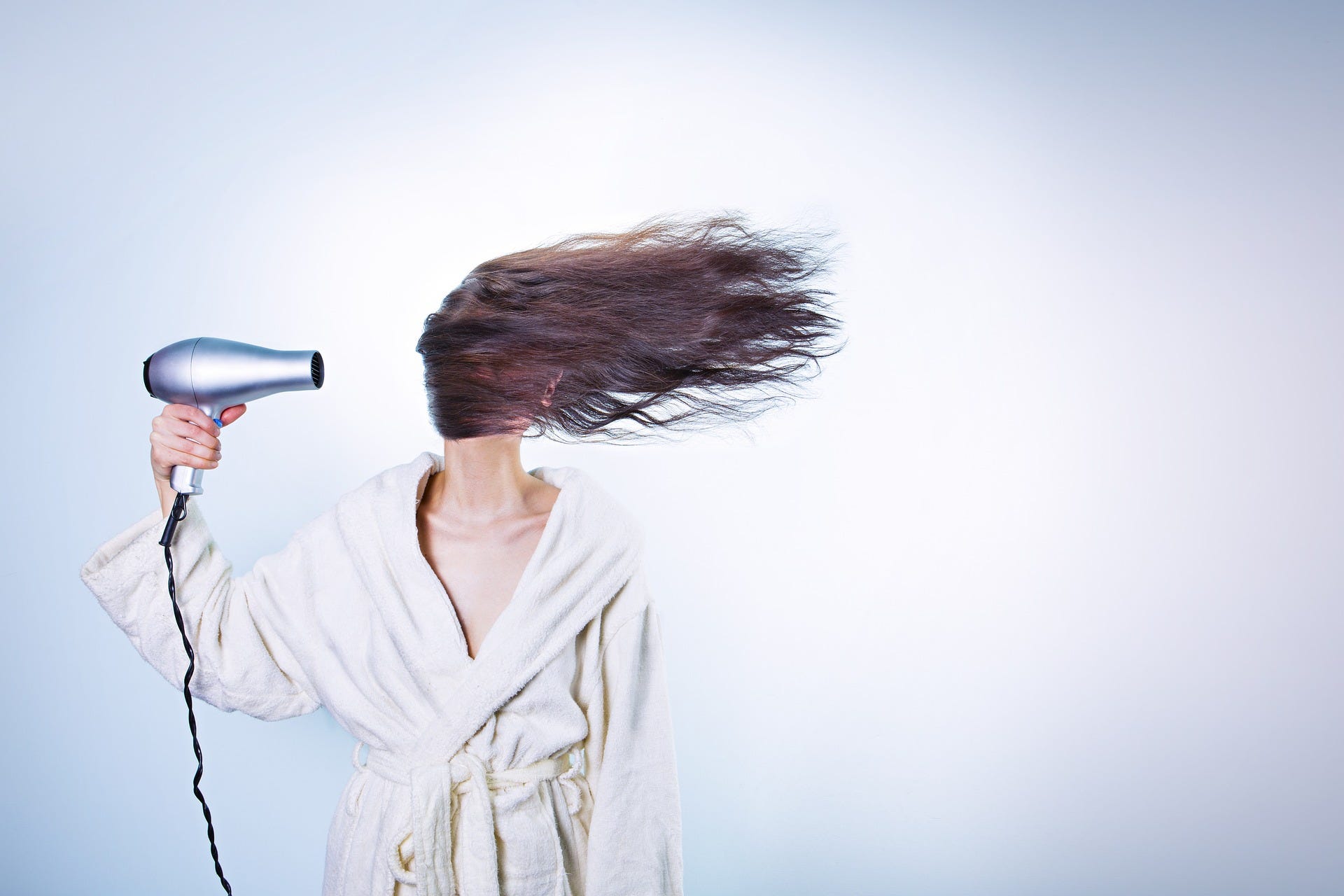
Talking about appearances, there is another player, the cosmetics industry. This laudable economic sector has mowed society down long ago, although initially the targets were mainly women. When we arrived in Germany in the 1980s, the cloud of make-up accompanying virtually every woman was very conspicuous for our uncultured, Eastern European noses. In North America, shampoo commercials had already turned everyone into raccoons, regardless of gender. The interesting thing was that the more often you washed your hair, the oilier it became. Let me launch a new conspiracy theory. It’s not impossible that some ingredient in the shampoo deliberately caused the oiliness, which we paid in exchange for a day of silky hair. As a teenager, I also fell victim to fashion, ending up having to wash my hair every day if I didn’t want it to have a feel like raw bacon. In Calgary, people stood in the bus stop in thirty below with partially wet hair, as washing your hair was an integral part of the morning shower routine.
Source: Ryan McGuire, Pixabay
Regarding bathing, could scrubbing symbiotic microorganisms off your skin open the door to less benign ones? Water itself is probably fine; according to some theories, we were semi-aquatic creatures during a part of our evolutionary history, which may be the origin of the infant diving reflex. If so, we have become accustomed to frequent contact with water. It’s probably no coincidence that people like to spend their vacations near water. The positive effects of heavily advertised shower gels and body lotions made from petroleum are a different matter.
The Sadhus in the Himalayas don’t have this problem. And while they’re not known for daily bathing, their minds are probably cleaner than ours. Cleanliness is also closely connected with purity.
„En lo puro no hay futuro. La pureza es en la mezcla.” (There’s no future in pure. Purity resides in fusion.)
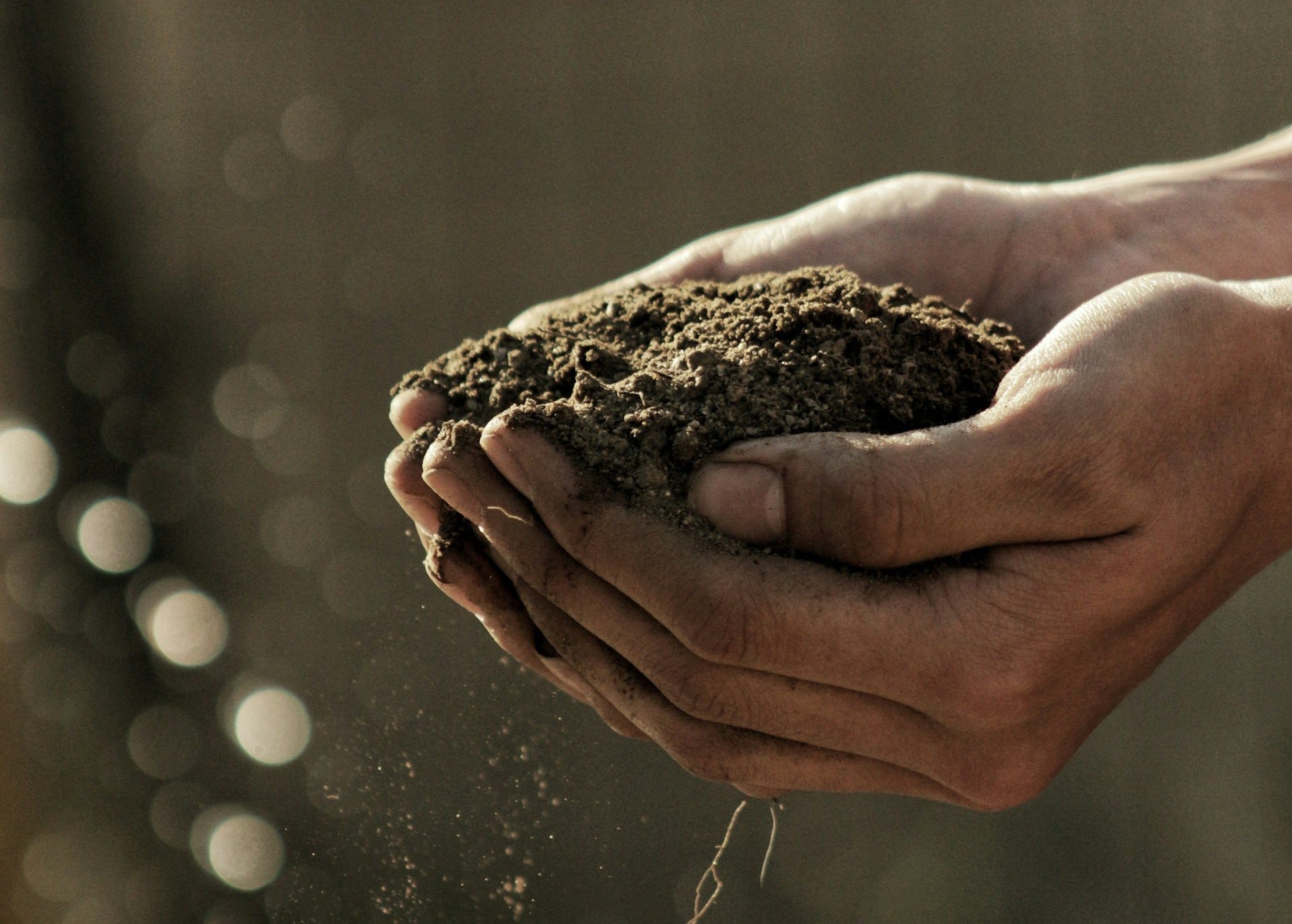
And what actually constitutes dirt? In English, the words “dirt” and “soil” mean both a kind of contamination and the substance of the planet. Why do we consider the body of Mother Earth to be dirty? Horse carriages were banned from large cities partly so they wouldn’t pollute the beautiful clean asphalt. Meanwhile, hundreds of thousands of metal boxes spewing deadly gases are allowed to roam freely. It’s as if our idea of cleanliness got stuck in the Middle Ages, when the problem was simple biological contamination, not a flood of chemicals, radiation and microplastics.
Source: Gabriel Jimenez, Unsplash
If we want a livable planet, we probably need to clean our minds first. Are we really obliged to faithfully serve the chemical industry? Unlike mind-altering substances, getting rid of chemicals comes without withdrawal symptoms. After all, we managed to get by without Domestos for a few million years.
Of course, most cleaning products advertised as green are, at best, only partially so. If you are just now becoming curious about what chemicals you are bringing into your home, it may be worth getting information from those investigating the topic without vested interests. Might there be substances in your food, in your clothes, among your things that you want to clean out of your home?
Fortunately, in the realm of cleaning there are some clean-cut solutions. In a nature camp, you can wash dishes quite well with clean wood ash (except for animal fat). Vinegar can clean a surprising number of kitchen and bathroom surfaces. And why use detergent containing harsh chemicals when you can buy soap nuts at any organic store? They are ridiculously cheap, wash normal city clothes well, and cause zero harm to you or the environment. I don’t get a commission, so feel free to try them out.