This is the great age of urbanization when people move from the backward countryside, the home of pigs and cows, to the citadels of culture: cities.
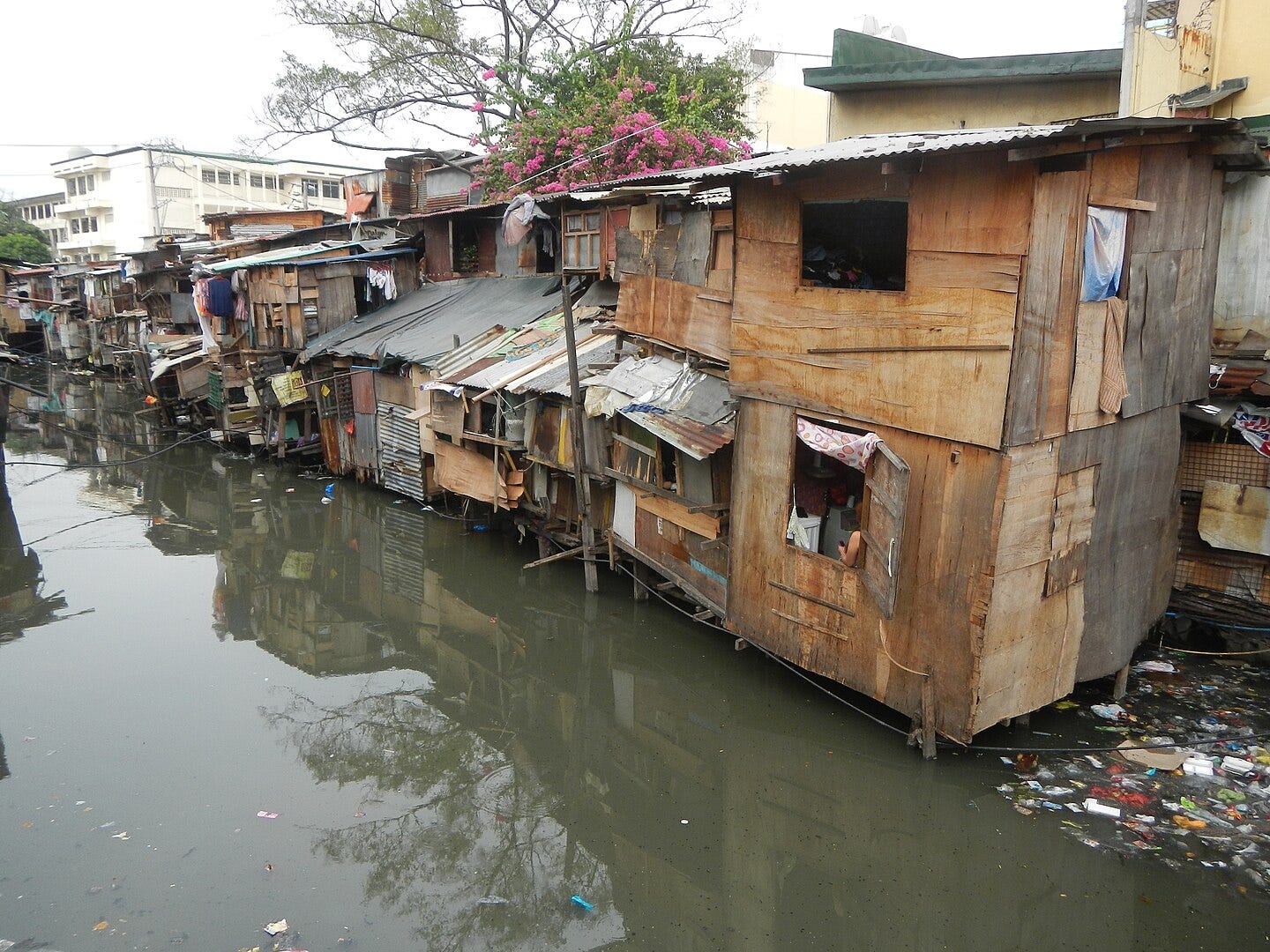
Source: Judgefloro, Wikipedia
Even the ancient Greeks lived in cities, where they invented the most advanced form of social organization, democracy. This tradition, which we still preserve today, means that rich men have a say in public affairs. Of course now there are more people in cities so we compensate by having fewer rich men (and, occasionally, women) decide what happens to them.
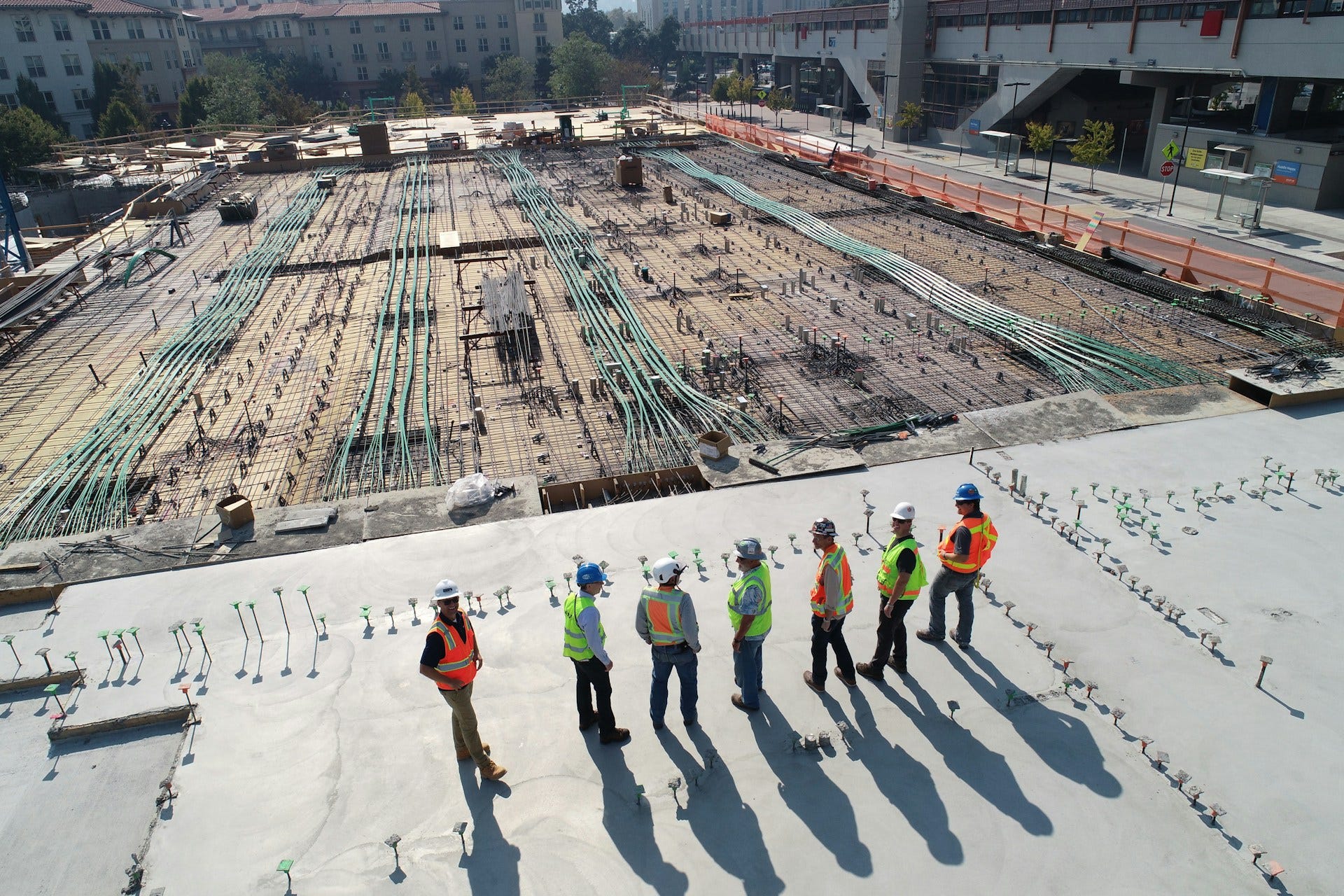
Cities are wonderful places, full of riches and light. The lights beneficially mask the disturbing glare and twinkle of stars. Movie stars living in the city are much more interesting. In contrast to the magnificent benefits of cities, what does rural life offer? Even organizing a simple thing such as a flash mob is difficult on a farm. The countryside is full of mud or dust, fallen leaves, gardens to tend, neighbors to talk to. One must put up with the honking of geese, the barking of dogs while in a high-rise apartment one can enjoy advanced sounds of civilized life. Sophisticated television programs, the loving altercations of your neighbors, the sounds of children riding their bikes above your head, the modern rumble of airplanes taking off, or the constructive, powerful blasts of renovation. In a Budapest apartment building, as another sign of the pace at which urban life is moving forward, at least one apartment is renovated at any given day of the year. And there is no better cure for laziness than the sound of jackhammers from the street at seven in the morning. It’s certainly a more noble, dynamic wake-up call than the boorish squawking of hens in the village of Dildo. Cities are always on the move!
Source: Scott Blake, Unsplash
Most people claim not to like crowds, but in fact they do, otherwise why would they live in a city? Being close to your fellow hominids gives you a sense of security, not only physically but also mentally. So many creatures cannot be wrong about the essence of life, going to the Mall! Where would we be if we couldn’t breathe in the odors of millions of bodies, the chemical smell of cosmetics trying to mask it, the progressive aroma of hundreds of thousands of cars’ exhaust fumes? If you weren’t honked at, argued with, pushed so many times every day by your fellow human beings, you’d become a wimp. What a great feeling not to be alone! In the city you don’t even have to bother greeting the people you meet, unlike in a village or forest. In the subway, you don’t even need to hold on, your fellow travelers will altruistically support you.
Not being at the mercy of wild beasts, we feel safe in the city. True, some mild unpleasantness might come from psychopaths, criminals, attack dogs, cars, as well as electric scooters and bike couriers racing on the sidewalk, but people need challenges, otherwise they’d lose their ability to adapt.
Cities also have a wealth of cultural opportunities. You can go to the theatre, the cinema, concerts, lectures, readings, classes, parties, meetings and so on. Such things are not available in the primitive surroundings of uncouth villagers, which is why they come to us, polished urbanites, to take part in those experiences. For us, city dwellers, it’s enough to know that, should we want them, those cultural opportunities would be available.
In the city, you can do your shopping, play sports; run on the treadmill, cycle around the track. Immersion in yoga and deep meditation is made all the more exciting with ambulances passing by every minute with a blaring siren. You can also take dance classes, pay for being locked up in escape rooms, shoot colored paint at people, play pool and skittles — sorry, bowling. Skittles was the game of bored, boorish villagers.
Urban centers have plenty of factories, office buildings, all the places that provide jobs for people.
Source: Eugen Visan, Pixabay
Unfortunately, old Europe is lagging a little behind in the competition between cities. Asia, South America and increasingly Africa are the places of great metropolises. Take Tokyo, with its population of 40 million. Since Japan’s population is no longer growing, there is considerable alarm about what will happen when it’ll be down to a mere thirty-nine million. Fortunately, there is no need to fear this in the so-called developing countries. Jakarta and Delhi are both well over thirty million, and since no one knows exactly how many people live there, you can say that they sport an uncountable population. Fortunately, cities are not simply growing like inflation. They are also converging, forming megalopolises. The latter aren’t a combination of megalomania and policing, but a GDP-producing wonder conglomerate. The combined population of the increasingly blended cities in the Pearl River Delta in China exceeds 85 million. As we know, China is the pearl of humanity.

Source: united24media.com
Manila, with a population of only fifteen million, is far behind, but it’s the most crammed city in the world, with a population density of over 40 000 people per square kilometer. If Hungary had the same population density, nearly four billion people, half of the world’s people could fit in here. True, in Manila people make homes everywhere, including cemeteries, but as we know, many good people can fit in small spaces, alive or dead.
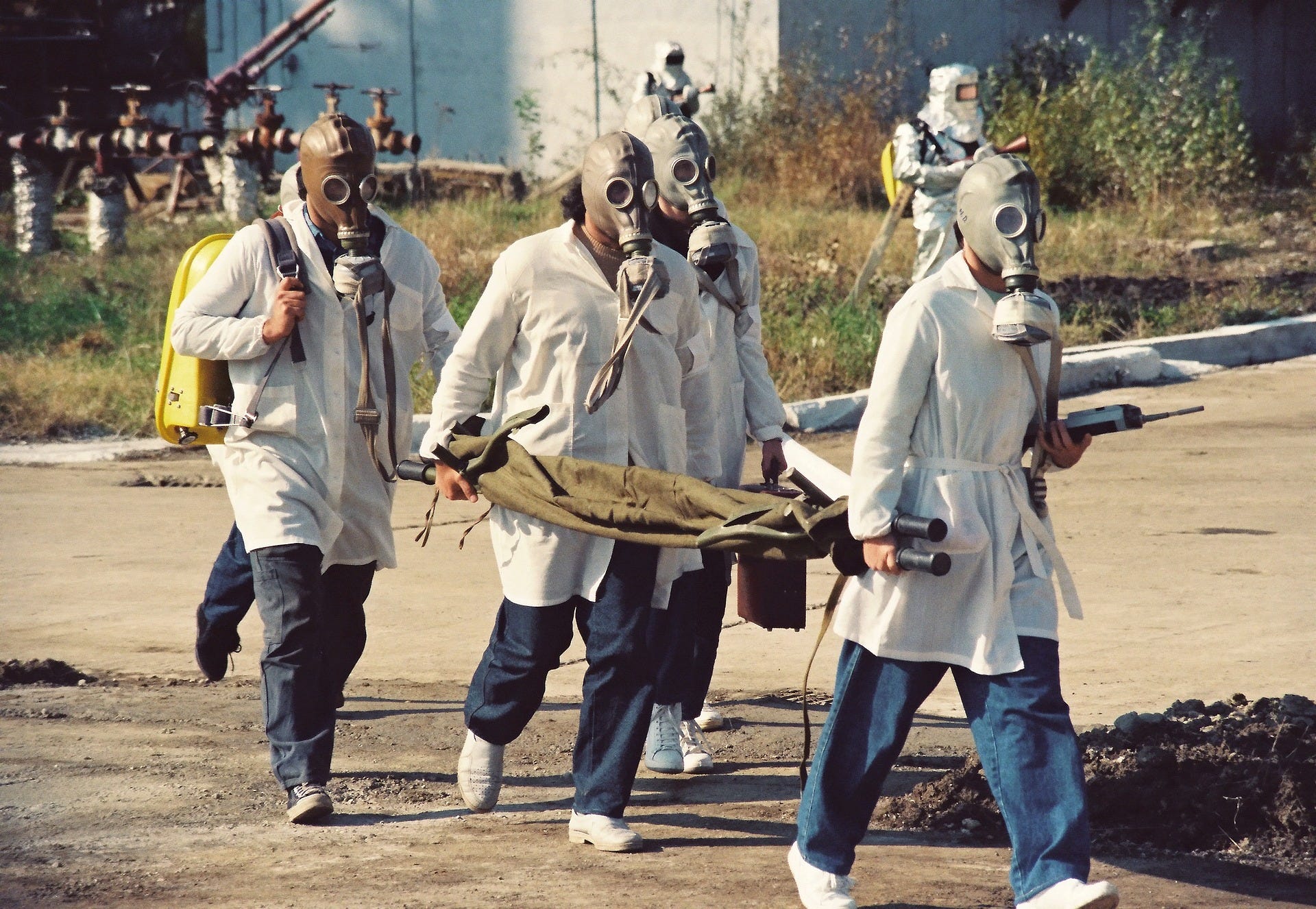
And it’s not just humans; rats, pigeons, cockroaches, bedbugs and crows also love cities. Even the Covid virus felt much more at home in the city. In the country lockdowns were a bore, village people hardly noticed any difference. What a waste —missing out on one of the defining experiences of our time!

Source: Erik Mclean, Unsplash
There are many kind of cities. There’s the Forbidden City, the Emerald City, there’s even a City of God. Rome is Urbs Aeterna, the Eternal City, Paris is Ville lumière, the City of Light. There’s also Kansas City, rapacity, mendicity, and overcapacity. Soon the present cities will only be neighborhoods as the whole world will turn into one megalopolis.
Cities consist of buildings, and, like cities, houses come in different styles. One of the great achievements of the Soviet era was the high rise housing estate. It’s quite a spiritual feeling sitting on the john in the morning, knowing that all ten floors above you people are sitting, staring at a door handle just like you. Eleven loads being dumped into eleven toilet bowls at the same time, what a beautiful example of synchronicity. In case of a war, high rise complexes are bastions for the defenders and later the conquerors. New housing estates not only enhance the aesthetics of urban settlements, but are also an excellent means of ethnical development, as they can accommodate large numbers of settlers. The successful reduction of the 75% Hungarian majority of Kassa1 in 1910 to 2.5% today is in part due to this great approach.

The housing estate Luník IX in Kassa / Košice, Slovakia. Source: ma7.sk
When walking in a forest and passing a single car you immediately smell how bad the exhaust fumes are. In a city, you would never notice that. This shows that the air is better in cities than in forests. Nevertheless, out of some atavistic desire, you may get bored of city life and move out into the green. Only far enough, of course, to be able to drive your jeep into the city every day and park on the sidewalk. As the sidewalk will soon have no space for walking, more and more people will follow your example and settle near the city. This increases traffic, but also GDP. True, you’ll have to leave for work an hour and a half earlier, but at least you can enjoy the quality commercial radio morning program. Soon you’ll find that your home has become part of the city. You can be proud that in your own modest way you have contributed to urbanization i.e. progress.
The majority of Americans do live in suburbs, those pretty, creative colonies of houses surrounded by lawns.
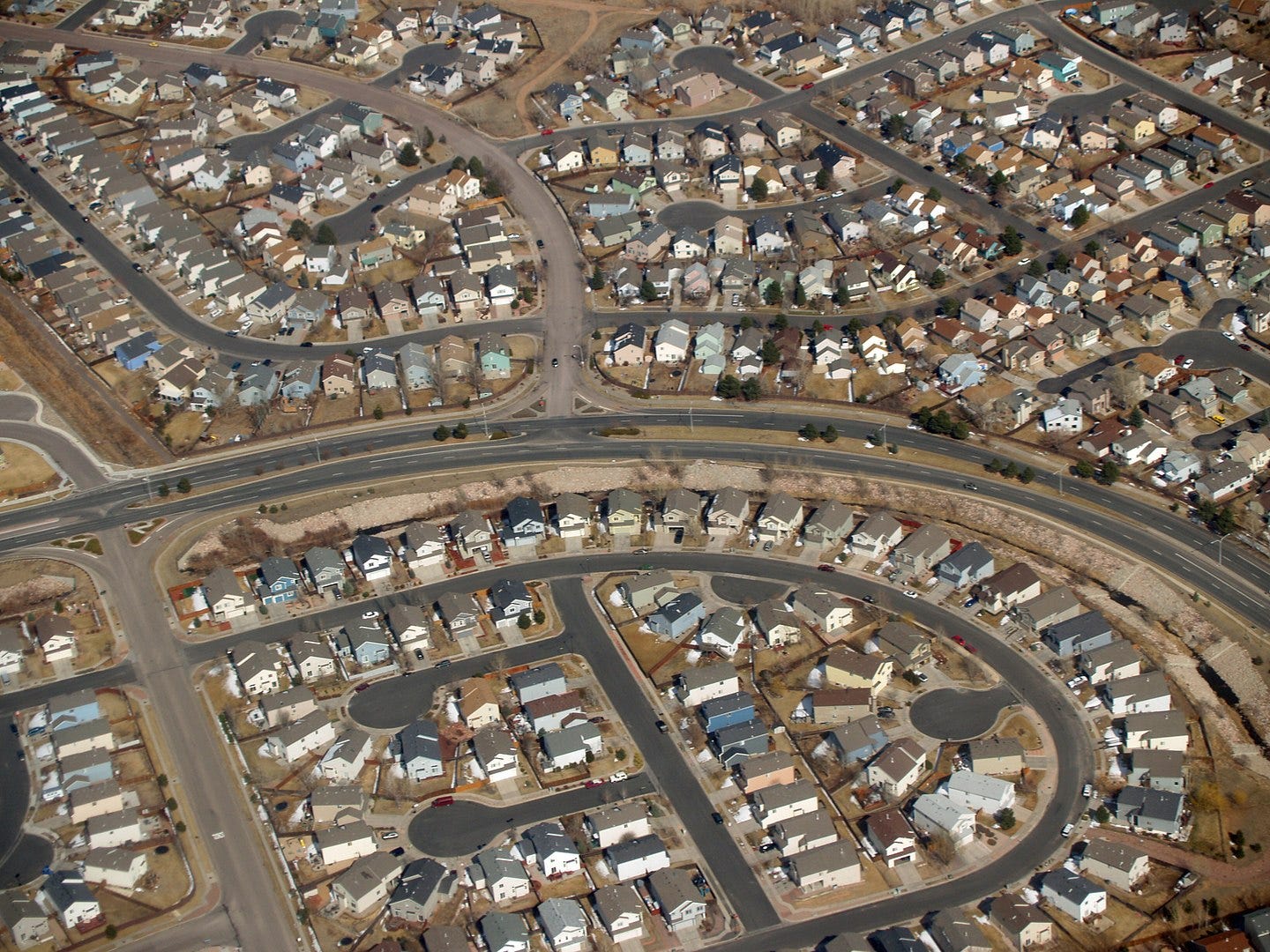
Source: David Shankbone, Wikipedia
America is also the original home of the skyscraper, the most modern and progressive type of building. Like so many things, it was invented in the land of the free, the home of the brave, and it is now found on every continent. Since skyscrapers came into fashion, cities are not limited to expanding horizontally.
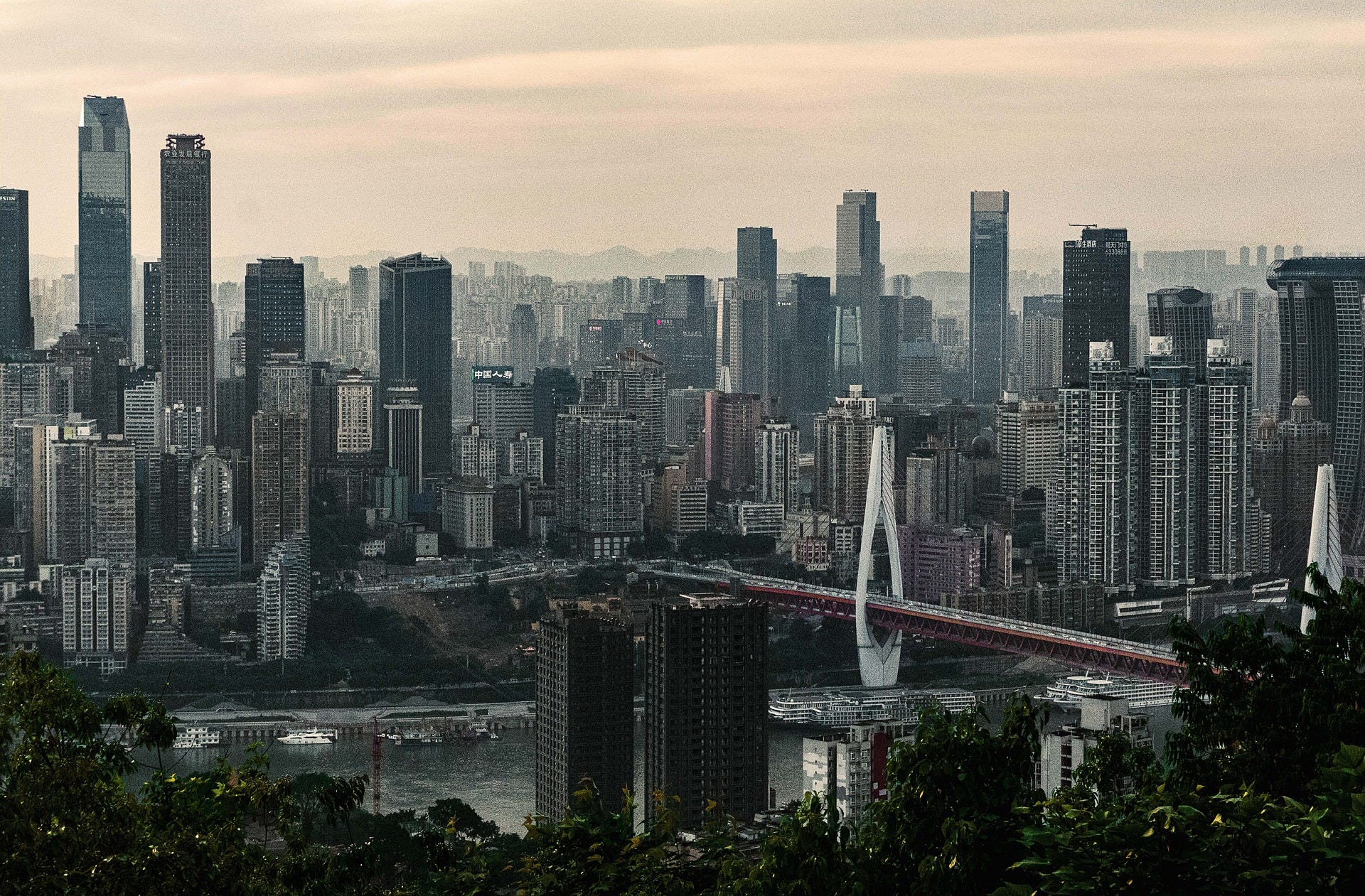
Finally, the human race is reaching for the sky! Sooner or later we will pierce the heavens and enter the abode of the gods. Soon we will be living in skyscrapers with all the facilities and services necessary for life, so if we don’t feel like going out into the terrifying outside world, we can spend our whole lives within those protective walls. You might not have to descend below the 45th floor for decades! You’ll never have to expose yourself to the agony of wind, rain, snow, or sun. It’s a utopia of high rises from sea to sea, each one a polis in itself, merging into a megalopolis. Or was it necropolis?
Kassa: Slovak: Košice. German: Kaschau. A city in Eastern Slovakia. In the 1910 Hungarian census, before the creation of Czechoslovakia, it had a 75% Hungarian majority. New housing estates played a significant part in the Slovakization of the population.